

Cycles in Cycles
Poem of the System

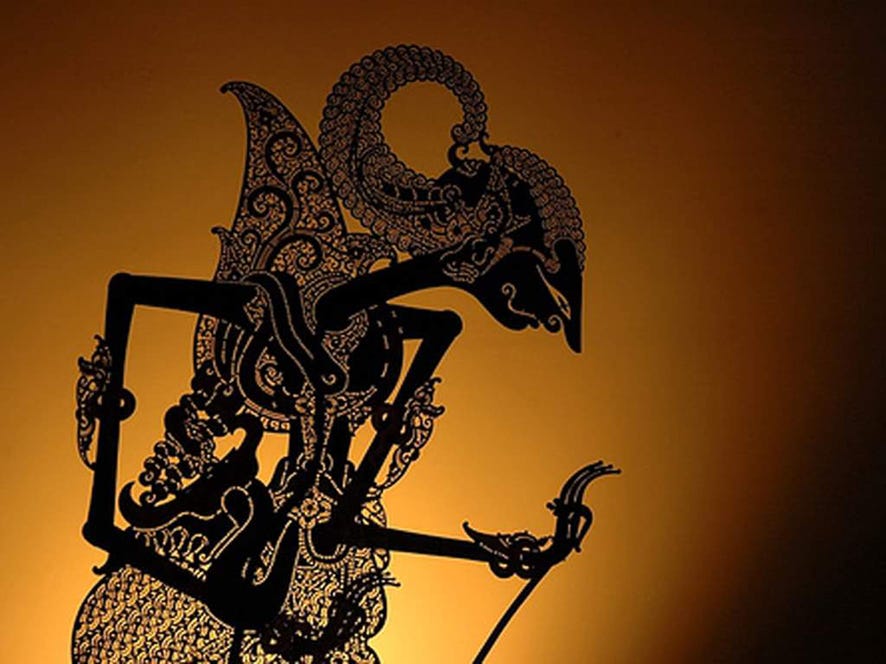
Cycles in Cycles
for Stuart Anderson
Awaking each morning is one way
to persist within cyclical time
but the next-to-next of hereafter
is like that old mariner’s rime:

She came to me at my bedside
dressed in white, like some fair bride.

As each next gust of the cyclone
had been dissipating force awhile
I relented, like a bride in white linen
revealing my own indolent magenta.

Bad men need nothing more to prevail
than that good men should look on.

Tell me how the brownian mote
which floats in and out of light
is now charged in that cascade
which sure enough emits itself.

Politics is not like the nursery in that
obedience and support are the same.

Damnable symphony of things
swollen and swelling my days!
No silent voice ever could unsound
the chords in which I am played.

Man can do what he wills
but cannot will what he wills.

What then shall rile me good
fill this sclerotic heart with breath
which ever was the love of virtue
transmuted by disdain for death?

Strange women lying in ponds
distributing swords is no basis
for a system of government.

-
When I saw the title I suspected, and when I saw the dedication I knew, that this poem grew out of that very interesting discussion we had recently. Thank you for the dedication and for taking up the ball and running with it. (In general I detest sports metaphors, but this seems the only apt one I can think of right now). It is always especially gratifying when engagement moves beyond discussion and into creation.
I have spent a very happy half-hour tracing your quotations (most of which I was somewhat familiar with, but I like to be sure I have it right before proceeding). Oddly, the only one I did not recognize at all was the first. Odd because I have sung along with a local sea-shanty group in their informal get-togethers several times, and I had not come across that one. BTW, I also appreciate the call-out to Coleridge via the traditional spelling of "rime."
You have a call and response structure, and within that, the sea shanty itself has a similar structure, so there are indeed cycles within cycles! Very nice. The first stanza and response set the theme for the whole: within cyclic time, you awake each morning, but there is an afterwards, and in the linear time that follows, your love dies and the irrevocability of linear time manifests.
In the next stanza, I like the diminishing cyclone, again the cyclic giving way to the linear, while the bride calls back to the previous response and the indolent magenta prefigures the good men looking on in the next response. I really like how you tie these together like some kind of thematic terza rima. And then you do it again, as the brownian mote (the paradigm of the individual buffeted and controlled entirely by external forces) connects with the passivity of looking on found in the previous response, but also introduces the external control defense of Eichmann and its rebuttal in the next response. (I also associate brownian with brown-shirt here, but that may be accidental, I'm not sure.)
And the rebuttal of external control implies internal control, character, the pre-formed will, in this case the chords which determine the key in which, inescapably, life plays out. Schopenhauer has his say in the response, underlining and generalizing. We are fully in linear time now, full of preordained character and irrevocable consequence. Finally, there comes a question of what, given the existing character, will excite the blood to action? The response answers ironically with a humorous deflation, the (cyclic) Arthurian ideal of knight-errantry with its love of virtue and disdain of death is not awakened so much as tipped into the bin, and we are dumped back where we started, in the here and now with its practical linear-time problems of governance, feeling perhaps a bit foolish, a bit laughed-at. That's a wonderful way to wrap up the ending. It exits from the cycle of the poem with a flip neat as a gymnast's landing, feet flat on the mat of the present day.
As I'm sure you know by now, I applaud by analyzing. Consider this sustained applause.
Anything quoting Monty Python works for me.