

In This Room
History and a Poem

Author’s Note: This week’s post concerns historical violence. I have tried to treat this topic with accuracy and respect for victims.
Occupation and Resistance in Lithuania
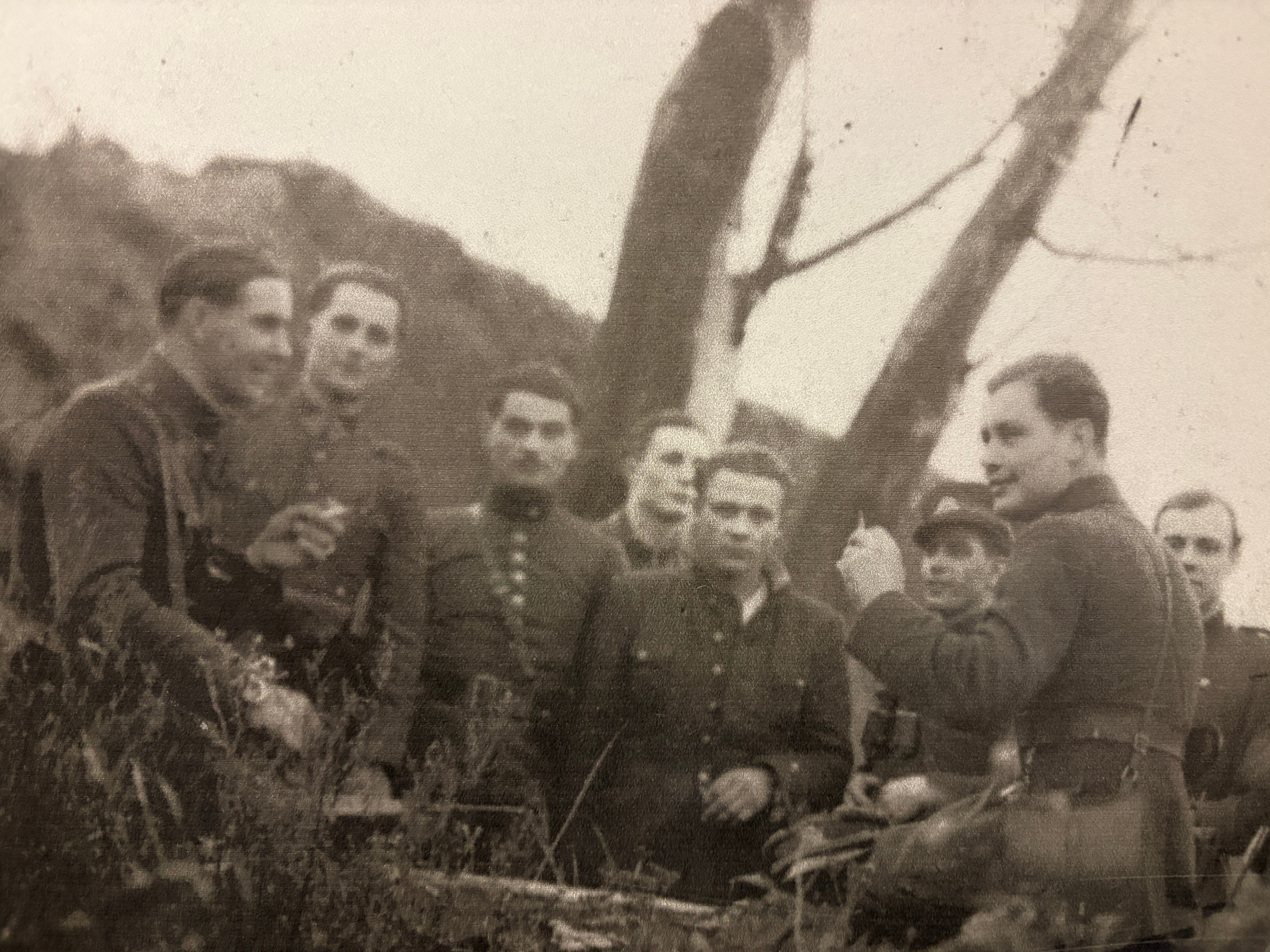
Lithuania is a small Baltic country sandwiched between Russia to the east and larger European neighbors to the west. As a result of this geography, it has been subject to repeated conquest and occupation throughout its history, most notably by Nazi Germany (1941–44) and, twice, by the Soviet Union (1940–41; 1944–91). In this respect, Lithuania is similar to its northern neighbors Latvia, Estonia, and Finland, all of which were occupied by Nazi and/or Soviet armies during the 20th Century.
Today, Lithuania is a member state of both NATO and the European Union. It is also bordered by a Russian ally, Belarus, as well as the militarized Russian enclave known as Kaliningrad, which makes Lithuania one of several potential flashpoints in the region.
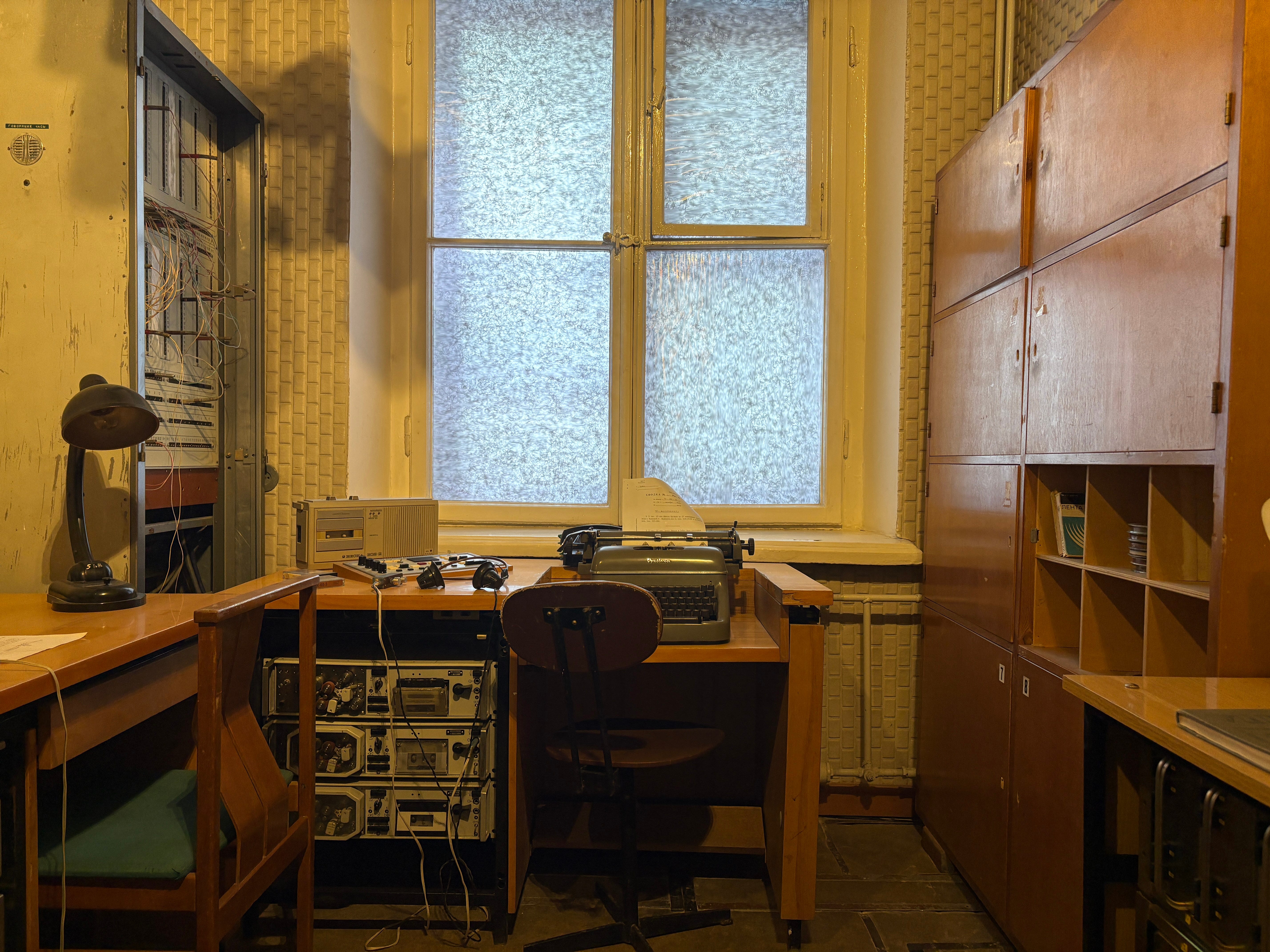
The capital of Lithuania, Vilnius, is home to a Museum of Occupations and Freedom Fights. The museum is situated in the city center, in a beautiful stone-block building that an interpreter described to me as “the perfect union of baroque, classical, and modern architecture.” During the war, the building served as a command post for the occupying forces. After the war, it became a headquarters for the Lithuanian branch of the Soviet intelligence service, KGB.
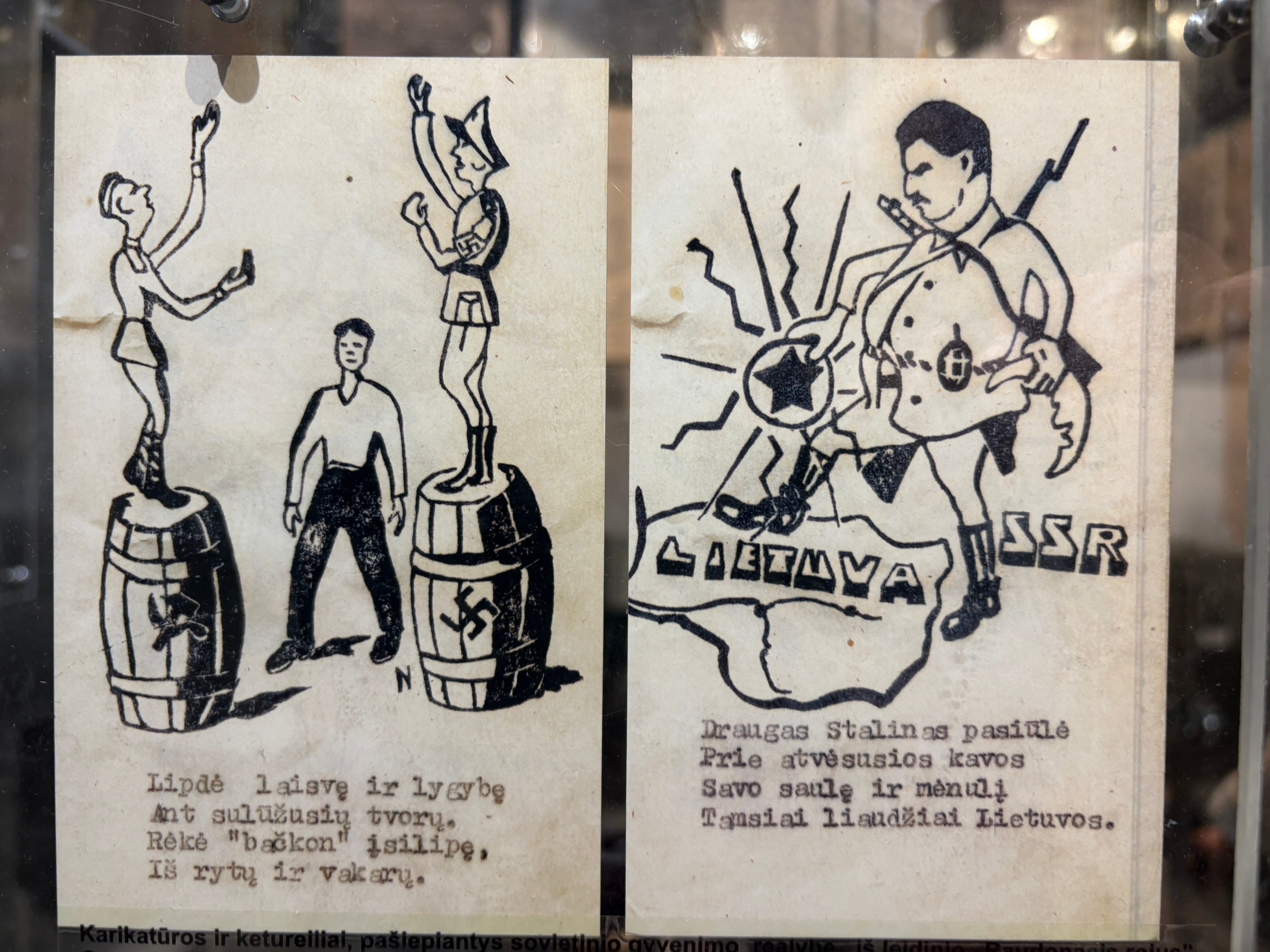
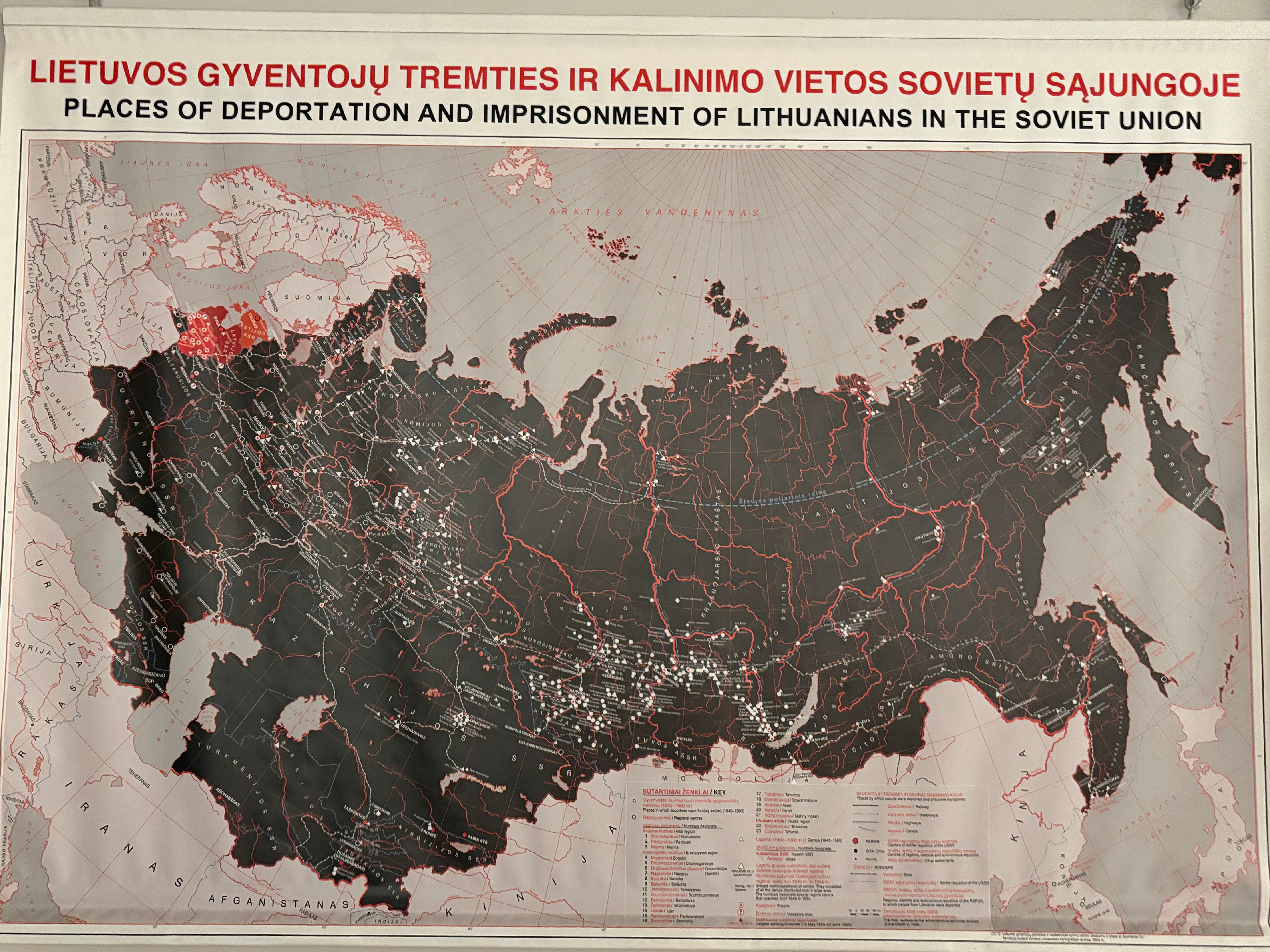
The Museum is unflinching in its depiction of Lithuanian history. The top two floors tell the story of mass repression, including the liquidation of Lithuanian Jews and other groups deemed to be undesirable, such as Roma or Catholics, during the Holocaust. By the war’s end, just 40,000 Jews out of an estimated prewar population of 250,000 remained living in Lithuania. Many prisoners were executed or deported to labor camps in Germany (by the Nazis) or in Siberia (by the Soviets). Often, these survivors were subsequently starved, executed, or worked to death.
Lithuanian partisans fought for national independence, living in forest camps or makeshift bunkers, where they were systematically hunted and killed. After the war, Soviet forces set up a vast system of prisons, informants, and listening posts that would later become the KGB. The ostensible purpose of this system was to ferret out class enemies, but in practice it was also used to suppress the national independence movements in Lithuania and other Soviet satellites.
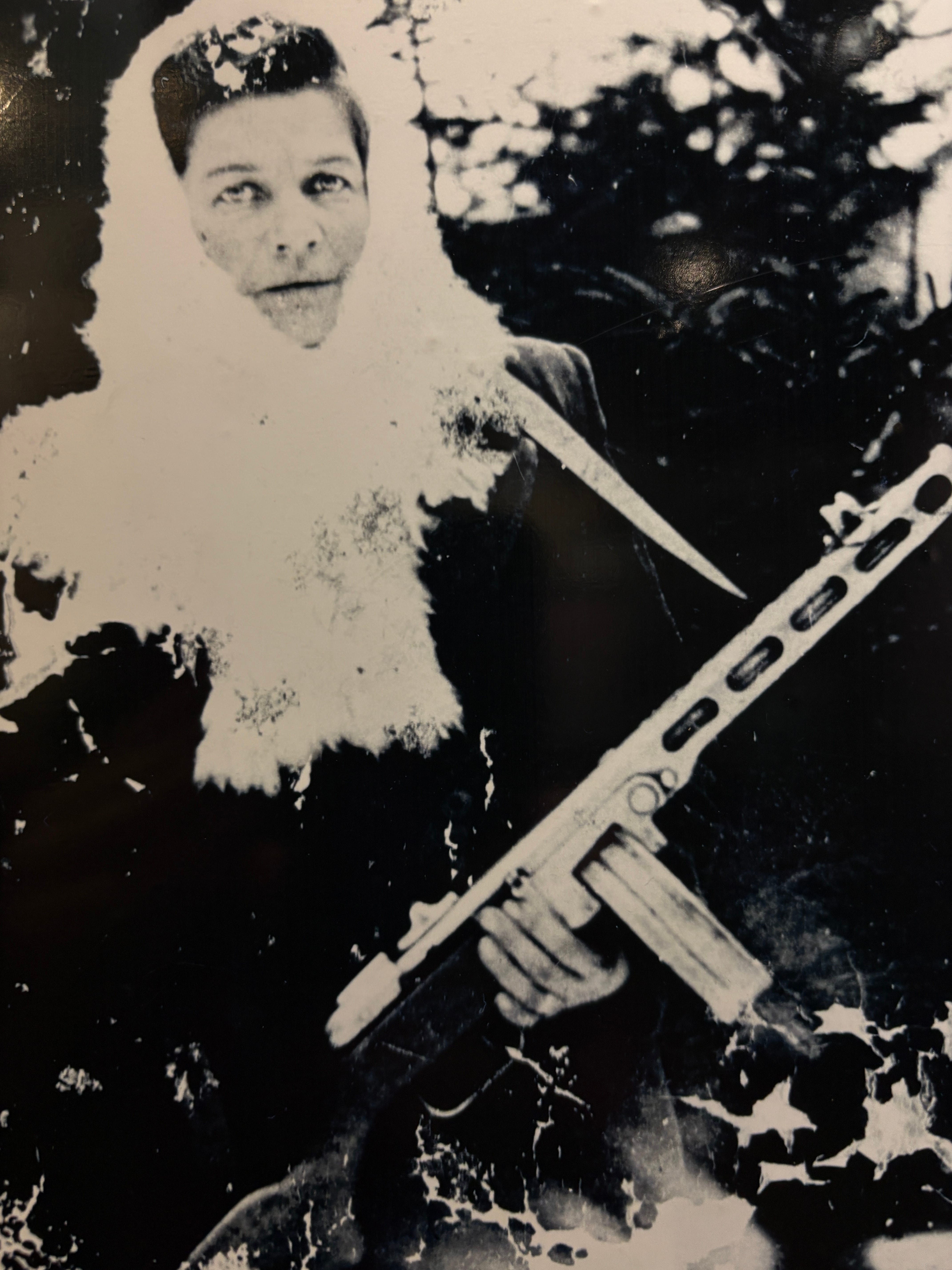
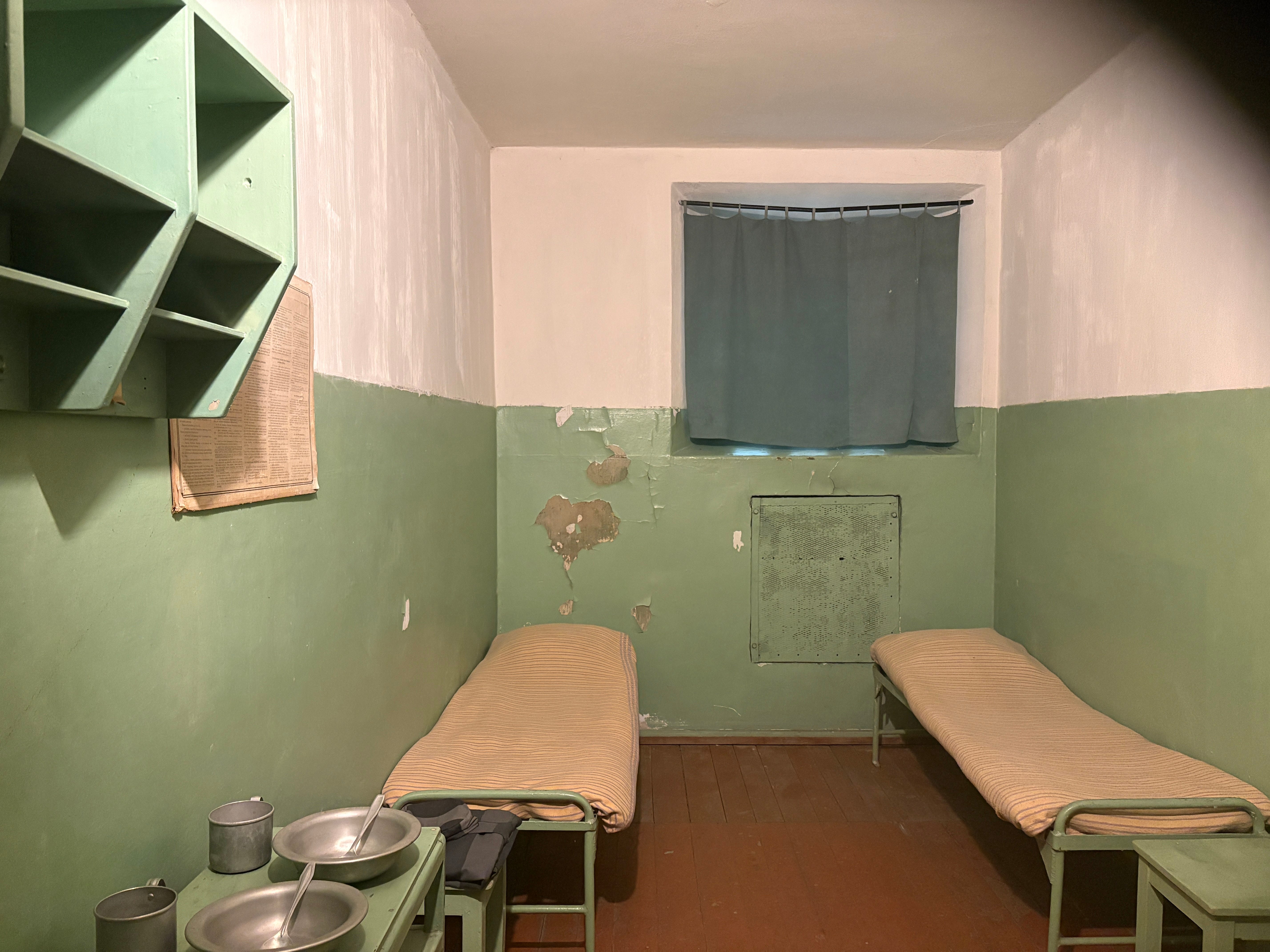
The basement of the museum preserves the old KGB prison where thousands of dissidents were held, interrogated, and either deported or shot. Crimes ranged from sedition to practicing religion too openly or simply being critical of the regime. Often, prisoners were held in solitary confinement or tortured in padded rooms. Some were forced to stand on small platforms suspended over water or ice, which was a unique form of torture in the harsh Baltic winter. Death sentences were handed out by a closed committee of three officers rather than a court of law, with bodies disposed in secret.
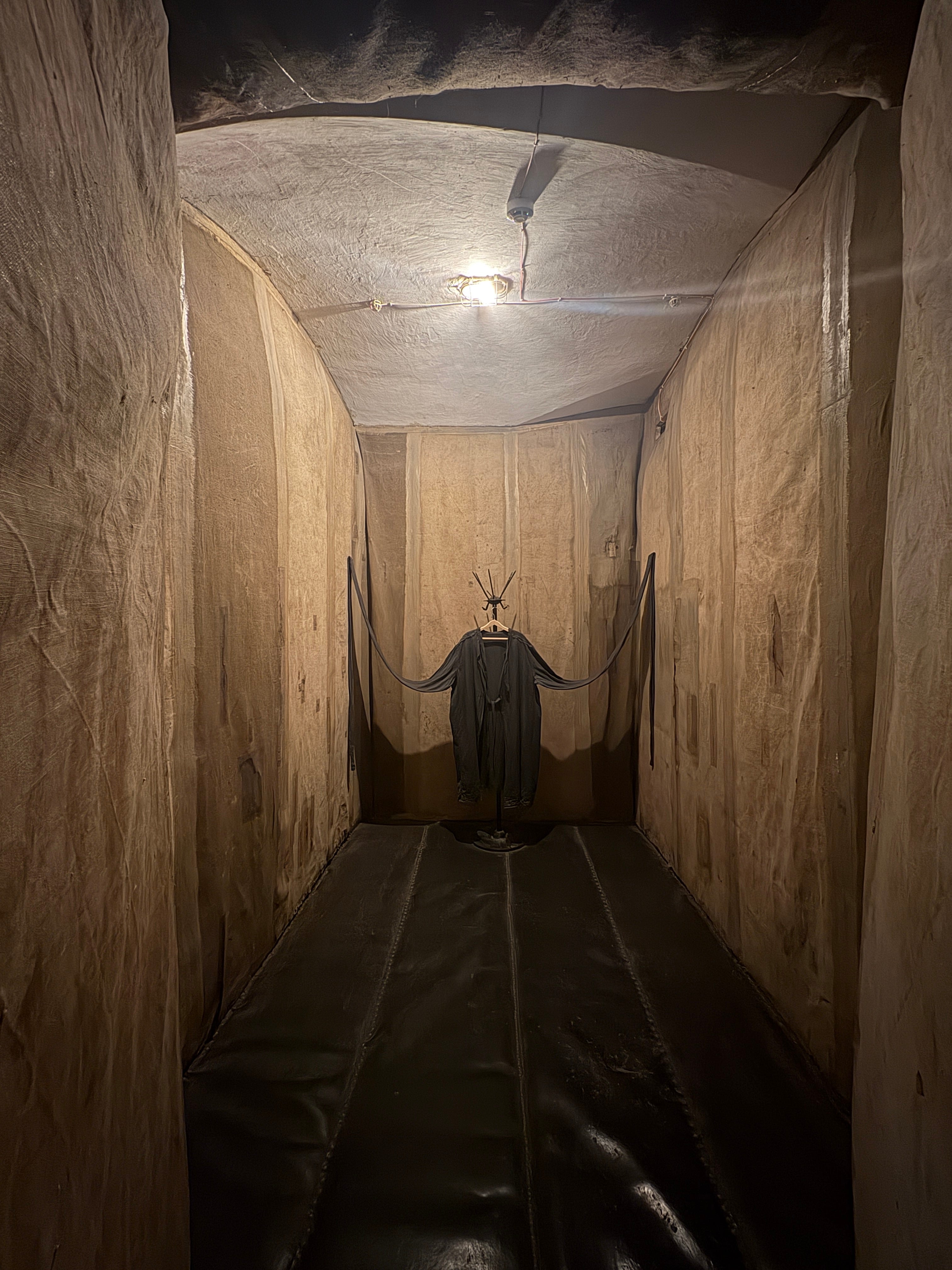
It is believed numerous mass graves near Vilnius have yet to be discovered, as the killings did not cease until Lithuanians archived national liberation in 1991. The following poem is dedicated to those victims—and to all who suffer persecution.
In This Room
In this room, the listeners did not
hear tender voices strung across
thin affections, like monofilament
binding us to distant tenderness:
hands, lips, breasts, and kisses
were mere whispers haunting static
like a ghost betraying its dying oath.

Here, in this room, where a witness
must have held the blizzard mind
of sieges, purges, and suspended
reasons, persisting, without a reason,
as cold tin cups filled with ice chips,
boiled horse and cannibal hungers,
driving them through Siberian winters;

where hidden enemies everywhere
were homes, trees, frozen ditches
with mortars, rifles, or bayonets
glinting as those dwindling flares
shone down like momentary angels
that sizzled past a killing darkness
and sputtered into the offal mud.

How else could such an iron mind
close its teeth onto snow-pale wrists
to gnaw its bone crimson as borscht?
How else could it drag the old priest
down to a room with waiting police
who stripped the cassock from his back
and striped blue welts on penitent flesh?

What, in this room suspended over ice,
justice banished in the name of justice,
whether for the sake of a favored class
or the simple hatred of a disfavored race,
did not return to dwell with old Europe:
Jews, Roma, Catholics, and Partisans
would not escape the sentence of three.

One is a beast who slaked his thirst
in those padded cells of the KGB.
Two is a platform where they stood
shivering above the freezing bath.
Three is the chamber buried so deep
a gunshot went unheard in the street.
Would you attend this silence with me?

Here, in sunlight, I am counting winds
that flow between my own exhalations.
Here, children are shouting jubilees
of springtime—or they sing, so naves
may fill with their voices, so like nectar,
I must drink and drink what melodies
their free bodies make while hope allows.

-
Profound. Like many good things that I read, I feel like I am not the same human I was before I started. Thank you.
Powerful. Intense. What could be more hellish than Man to Man?